Kensington and Chelsea council rules for Brompton garden waste: a practical Brompton guide
If you are dealing with garden waste in Brompton, the rules can feel a bit oddly specific at first. One minute you are trimming a hedge, the next you are wondering whether those branches, clippings, bags of soil, or that awkward pile of ivy can go in the bin, be collected, or needs a proper clearance. This guide explains Kensington and Chelsea council rules for Brompton garden waste in plain English, so you can stay compliant, avoid messy mistakes, and choose the most sensible way to get rid of it.
We will cover how garden waste is usually handled, what counts as acceptable material, the common problem cases, and the practical steps that save time and hassle. If you are a homeowner, tenant, landlord, gardener, or property manager in Brompton, this is the kind of straightforward advice that makes a real difference on a wet Tuesday when the bags are already by the gate and you just want the job done.
- Why the rules matter in Brompton
- How garden waste handling works
- Key benefits of getting it right
- Who needs this guidance
- Step-by-step disposal guidance
- Expert tips for cleaner, easier results
- Common mistakes to avoid
- Tools, resources and useful services
- Law, compliance and best practice
- Options and comparison table
- Real-world example
- Practical checklist
- Conclusion
- Frequently asked questions
Why Kensington and Chelsea council rules for Brompton garden waste Matters
Garden waste sounds simple until it is not. A few grass cuttings are one thing; a mixed pile of branches, compost, turf, old plant pots, and soil is another. Kensington and Chelsea council rules for Brompton garden waste matter because they affect how waste should be separated, stored, presented, and collected, and whether your chosen disposal route is appropriate for the material you have.
For Brompton residents, the practical issue is usually this: the council expects waste to be handled in a way that is safe, tidy, and suitable for collection or disposal. If you put the wrong material into the wrong stream, you risk refusal, delays, extra work, or a heavier bill later. No one wants to haul bags out twice. Let's face it, that is the sort of job that tests patience before breakfast.
There is also a wider local benefit. Correctly sorted green waste is easier to recycle or compost, which is better for the environment and usually better for the neighbourhood too. Bags left open, soil mixed into clippings, or overfilled containers can become untidy very quickly, especially in a compact Brompton street where front space is limited and access can be tight.
Expert summary: Treat garden waste as a separate stream, keep it clean and dry where possible, and check whether your material is suitable for council collection, private clearance, or a specialist garden maintenance service. Small steps, fewer headaches.
How Kensington and Chelsea council rules for Brompton garden waste Works
The core idea is straightforward. Garden waste is usually classed as organic material from routine garden upkeep, such as grass cuttings, hedge trimmings, leaves, weeds, and small branches. In practice, councils tend to care less about the poetic side of gardening and more about whether the waste is clean, manageable, and properly separated.
In Brompton, your first question should be: what exactly is in the pile? That matters because not everything from the garden is treated the same way. A bag of prunings is very different from a bag containing stones, broken pots, treated timber, or leftover soil. Mixed waste is where confusion starts, and where a lot of people slip up.
Typical routes for dealing with garden waste include:
- storing it for a council-approved collection arrangement, where available
- reusing it on site, such as composting leaves or chippings
- booking a professional garden clearance for larger volumes
- taking it to a suitable disposal or recycling route, where allowed
The details can vary depending on the size of the load, the type of material, and the condition of the waste. For example, a light load of hedge trimmings is generally easier to handle than wet turf mixed with soil. If you have ever tried lifting a soggy bag of grass cuttings after a rainy spell, you will know exactly what I mean. Heavy, slippery, and mildly insulting.
For ongoing upkeep, many Brompton households find it easier to combine routine disposal with regular garden maintenance so waste never builds up into an unmanageable mound in the first place.
Key Benefits and Practical Advantages
Following the right garden waste rules is not just about being tidy for tidiness's sake. It delivers practical benefits that show up quickly, especially in a busy part of West London where space is at a premium and access can be awkward.
1. Less risk of rejected waste. If materials are sorted properly, they are more likely to be accepted by the collection or disposal route you choose. That saves time and the slightly embarrassing moment of bringing everything back in again.
2. Better value for money. Clean, separated green waste is usually cheaper to handle than mixed junk. Soil, rubble, treated wood, and plastic all complicate things. When a load is tidy, a clearance team can often work faster and more efficiently.
3. A safer garden and pathway. Loose branches, thorny cuttings, and heavy bags create trip hazards. Keeping waste under control helps protect visitors, neighbours, and anyone doing the lifting.
4. A more sustainable outcome. When green waste is kept separate from general rubbish, it is more likely to be recycled or composted rather than lost in the wrong stream. That sits well with a sensible approach to recycling and sustainability.
5. Less disruption to the property. In Brompton, access can be narrow, parking can be limited, and residents may be working from home. A clear plan means fewer doorstop delays and less noise hanging around longer than necessary.
There is a quiet bonus too: it simply feels better when the garden is cleared properly. Clean paths, open borders, and no rustling bin bags in the corner. Small win, but a real one.
Who This Is For and When It Makes Sense
This guidance is relevant for anyone generating garden waste in Brompton, but some people need it more urgently than others.
- Homeowners dealing with seasonal pruning, lawn cuts, or post-storm debris
- Tenants who are responsible for keeping a shared or private outdoor area tidy
- Landlords and letting agents preparing a garden before viewings, end-of-tenancy checks, or new occupancy
- Gardeners and grounds teams who need a reliable disposal workflow after regular visits
- Property managers handling communal spaces, courtyards, and planted frontages
It also makes sense when you are facing a bigger job than your usual weekly tidy-up. A hedge reduction, tree pruning, overgrown boundary strip, or a full seasonal clear-out can produce far more waste than expected. That is when a simple bin plan starts to fall apart.
If the task has moved beyond routine clippings, a dedicated garden clearance can be the more realistic option. It is often the cleaner choice when waste includes a mix of green material and awkward bulky debris.
And if you are also planning improvements, not just clearing up, services like landscaping or landscape gardening can help you rethink the space so future maintenance is simpler. Bit of planning now saves a lot later.
Step-by-Step Guidance
Here is a sensible, low-drama way to deal with garden waste in Brompton while staying aligned with Kensington and Chelsea council expectations.
- Sort the waste at source. Separate green waste from general rubbish, rubble, plastic pots, treated wood, and anything sharp or hazardous.
- Remove obvious contaminants. Pick out stones, ties, labels, wire, broken terracotta, and packaging. A little bit of care here makes the whole load easier to handle.
- Keep wet and heavy material in mind. Turf, soil, and rain-soaked clippings are much heavier than they look. Don't overfill bags just because they seem fine on the patio.
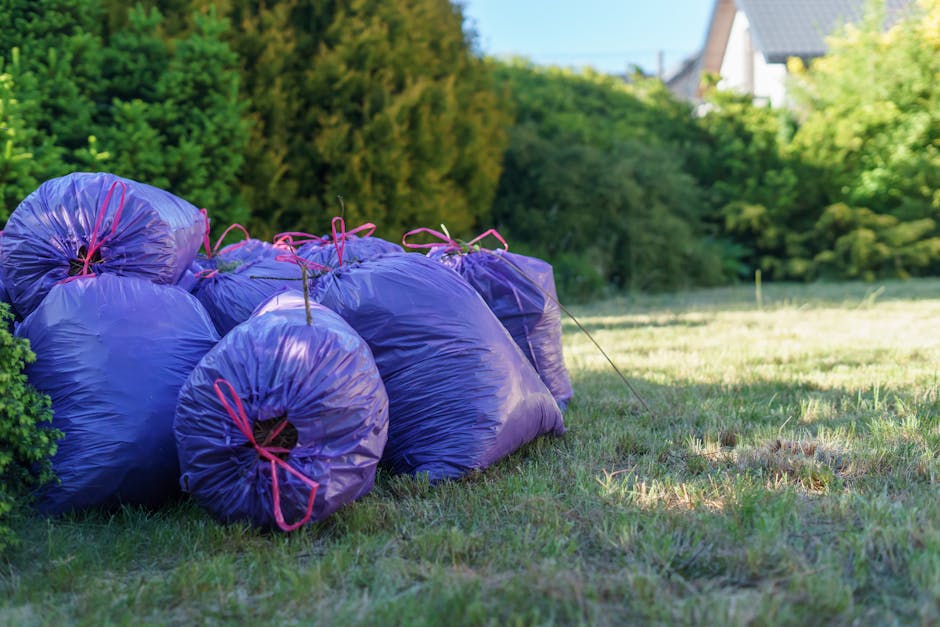
- Bundle or bag sensibly. Use tidy containers or manageable bundles so the waste can be lifted safely. Overstuffed bags are a nuisance, and usually the handle gives up at the worst possible moment.
- Check whether the waste is suitable for collection. If it is a standard green load, it may fit a council collection route where available. If not, think about a private clearance.
- Plan access. In Brompton, front steps, narrow halls, small side returns, and limited parking can slow things down. Make the path clear before collection day.
- Choose the right disposal method. For small routine volumes, a simple collection arrangement may be enough. For larger or mixed loads, a professional team can be quicker and less disruptive.
- Keep records if needed. Landlords, managing agents, and commercial clients may want a clear paper trail of what was removed and how it was handled.
A lot of people ask whether they should compost everything. Sometimes yes, sometimes no. If the material is clean and organic, composting can be a good solution. If it is mixed, diseased, or contaminated, do not guess. That is where professional advice helps.
A simple rule of thumb
If it came from routine garden work and is clean, organic, and separate, it is usually easier to deal with. If it is heavy, mixed, or dirty, treat it as a more complex waste job.
Expert Tips for Better Results
In our experience, the difference between a painless clearance and a frustrating one is usually in the preparation. Not glamorous, but true.
Tip 1: Clear waste before it gets wet. Damp cuttings are heavier and harder to move. If there is a dry window after a hedge trim, take it. You will notice the difference immediately.
Tip 2: Keep a separate pile for problem items. Put pots, cans, canes, broken edging, and damaged trellis somewhere else. Mixing them into green waste is a classic mistake.
Tip 3: Prune with disposal in mind. If you are trimming a hedge, cut in smaller sections rather than creating one giant mound. It sounds obvious, but it saves a lot of sorting later. For recurring hedge work, a regular hedge trimming schedule is often the easiest way to keep volumes predictable.
Tip 4: Use the right lifting approach. Bend your knees, not your back. Old advice, yes, but the sort of old advice that keeps you from spending the afternoon wincing.
Tip 5: Match the service to the job. A light tidy-up should not be treated like a full clearance, and a full clearance should not be handled like a standard weekly cut. If you need regular cutting support, lawn mowing and broader maintenance can help reduce the amount of waste that accumulates between visits.
Tip 6: Be realistic about your time. Small jobs often become bigger once you start bagging, loading, and sweeping up the loose bits. It is one of those home projects that always expands by 20 percent. Somehow.
Common Mistakes to Avoid
Most issues with Kensington and Chelsea council rules for Brompton garden waste come from simple mix-ups rather than bad intent. The good news is that they are easy to avoid once you know what to look for.
- Mixing green waste with household rubbish. This is the biggest one. Food waste, plastic, packaging, and garden trimmings should not be bundled together.
- Including soil or rubble in a green load. These materials are heavier and often need a different route.
- Overfilling bags or bins. If the load is too heavy to lift safely, it is not really ready to go.
- Leaving branches loose and untied. A neat bundle is easier to collect and less likely to snag someone on the way through.
- Ignoring access issues. A clear garden path and accessible frontage make a huge difference, especially in tighter Brompton properties.
- Waiting too long to deal with waste. Once the pile sits for a while, it gets wetter, messier, and more awkward. Then a simple job becomes a small swamp of regret.
Another subtle mistake is assuming that every garden-related item is automatically "green waste". Not quite. A broken planter, treated wood, old tools, and bundled wire all need separate judgement. If you are unsure, stop and sort before moving anything. That pause is usually worth it.
Tools, Resources and Recommendations
You do not need specialist kit for every job, but a few practical tools make a noticeable difference.
- Heavy-duty bags or reusable containers for tidy collection
- Garden gloves for thorny or splintered material
- Secateurs, loppers, and a pruning saw for reducing bulky branches into manageable pieces
- A tarp or sheet to gather waste neatly before loading
- A broom and dustpan for the final sweep-down
- Wheelbarrow or sack trolley if the path from garden to street is a long one
For households that want a straightforward professional option, the most useful starting point is often the services overview, which helps you see how different garden services fit together. If the waste problem is part of a wider outdoor refresh, that broader view is handy.
Where safety and trust matter, take a look at the company's approach to health and safety and insurance and safety. Those pages are useful for understanding the working standards behind any on-site clearance or maintenance visit.
If cost planning is important, especially for larger jobs, the pricing and quotes information can help you prepare properly before you book. No one enjoys surprises when a skip-sized pile turns up.
Law, Compliance, Standards, or Best Practice
Because garden waste can touch on environmental handling, local collection rules, and safe transport, it is worth being careful rather than casual. The exact council process can change over time, so the safest approach is to follow current Kensington and Chelsea guidance and ask questions if your waste is mixed, bulky, or unusual.
Good practice in Brompton usually means:
- keeping green waste separate from general refuse
- avoiding contamination with soil, rubble, plastics, and treated materials
- storing waste safely until removal
- using appropriate handling methods to reduce spillages and injuries
- choosing disposal routes that are suitable for the material type
If you are a landlord, property manager, or contractor, this becomes even more important. You may need consistent procedures so the people doing the work do it the same way every time. That is where clear instructions and repeatable routines matter more than heroics.
For anyone arranging garden work on a regular basis, it can also help to think in terms of maintenance cycles rather than one-off cleanups. A little ongoing attention keeps waste volumes manageable and reduces the chance of non-compliant mixing. That is especially useful for properties with hedges, climbing plants, or mature shrubs that shed more than expected. Mature planting looks lovely, but it is not shy about producing waste.
Options, Methods, or Comparison Table
Different waste solutions suit different situations. Here is a simple comparison to help you decide what makes sense for your Brompton property.
| Method | Best for | Advantages | Potential drawbacks |
|---|---|---|---|
| Council collection route | Routine, clean garden waste in manageable volumes | Convenient for standard loads and familiar to residents | May not suit mixed, bulky, or heavily contaminated waste |
| Home composting | Leaves, grass cuttings, and other clean organic material | Eco-friendly and useful for future soil improvement | Not suitable for all material types and takes space |
| Professional garden clearance | Larger volumes, overgrowth, mixed debris, tight deadlines | Fast, practical, and less physically demanding | Usually costs more than handling a very small load yourself |
| Regular garden maintenance plan | Ongoing upkeep and predictable waste generation | Keeps the garden under control and avoids big build-ups | Requires consistency, which some households forget during busy months |
For many Brompton properties, the best answer is a mix of methods. Compost the clean light stuff where possible, book clearance for the awkward heavy loads, and use regular upkeep to stop the whole thing snowballing. Simple, really.
Case Study or Real-World Example
Here is a realistic Brompton scenario. A small townhouse garden has been left alone for most of spring. The owner finally tackles the border shrubs, a boundary hedge, and a patchy lawn. By lunchtime, there are three separate piles: hedge cuttings, grass clippings, and a mixed bag of old canes, root fragments, and a broken planter.
At first glance, it looks like one job. In practice, it is three. The clean clippings are suitable for a green waste route, the broken planter needs separate handling, and the mixed bag probably needs sorting before anything is removed. If the owner throws everything together, the load becomes less useful, heavier, and more expensive to handle.
What worked best in this case was simple:
- the hedge waste was bundled and kept separate
- the lawn cuttings were left to dry a little before bagging
- the non-green items were removed from the pile early
- a professional garden clearance was used for the bulkier mixed material
The result was a cleaner garden, less back-and-forth, and far fewer chances of accidentally sending the wrong material into the wrong stream. That is the sort of outcome people usually want, even if they do not say it out loud.
Practical Checklist
Use this checklist before you arrange removal or place anything out for collection.
- Have I separated green waste from general rubbish?
- Have I removed soil, rubble, plastic, wire, and treated wood?
- Are the bags or bundles light enough to lift safely?
- Is the material dry enough to handle without creating excess mess?
- Have I checked access to the garden, front path, and roadside area?
- Do I know whether this is a routine load or a bigger clearance job?
- Would regular maintenance prevent this build-up happening again?
- Do I need help with thorny, heavy, or awkward material?
- Have I kept any useful organic material aside for composting?
- Am I confident the waste is suitable for the route I have chosen?
If you can tick most of those off, you are usually in good shape. If not, pause and re-sort. That little bit of effort tends to pay for itself.
Get a free quote today and see how much you can save.
Conclusion
Getting to grips with Kensington and Chelsea council rules for Brompton garden waste does not need to be complicated. The main idea is to keep garden waste clean, separate, and manageable, then choose the disposal method that genuinely fits the job. Once you do that, the whole process becomes calmer, safer, and much less likely to go wrong.
For small routine clippings, a tidy collection plan may be enough. For larger, mixed, or time-sensitive jobs, professional help is often the smarter move. And if you want to reduce future build-up, regular care is usually the best investment of all. A little ongoing attention now can save a very messy afternoon later.
Most importantly, do not overcomplicate it. Sort early, lift safely, and keep the waste streams separate. That is the quiet little formula that works.
If you are looking to keep your outdoor space in better shape overall, our garden maintenance services can help you stay on top of the work before waste piles up again. When you are ready, you can also explore more about the team through the about us page or use the contact us page to talk through your requirements.
And if you are the kind of person who likes the practical side handled properly, that is fair enough. It is one less thing to think about, and sometimes that is exactly the win you need.
Frequently Asked Questions
What counts as garden waste under Kensington and Chelsea council rules for Brompton garden waste?
In general, garden waste means organic material from normal garden upkeep, such as grass cuttings, hedge trimmings, leaves, weeds, and small branches. Soil, rubble, plastic, treated wood, and broken garden items are usually handled separately.
Can I put garden waste in my general rubbish bin?
Usually, no. Garden waste is best kept separate because it is a different waste stream. Mixing it with household rubbish can lead to rejection or poor handling, depending on the disposal route you use.
What should I do with wet grass cuttings?
Wet grass cuttings are heavy and awkward, so it is best to let them drain or dry a little before bagging if possible. If there is a lot of material, professional clearance is often easier than trying to move soggy bags around yourself.
Do I need a professional service for a small garden tidy-up?
Not always. If you only have a light amount of clean green waste, a routine disposal method may be enough. A professional service becomes more useful when the pile is mixed, bulky, heavy, or time-sensitive.
Is soil classed as garden waste?
Soil is a garden-related material, but it is usually treated differently from green waste because of its weight and handling requirements. If soil is mixed into a green load, it can change how that load needs to be dealt with.
What happens if my waste is mixed with pots, wire, or rubble?
Once a load is mixed, it becomes harder to recycle or handle as simple green waste. The safest approach is to separate items before removal so the whole job can be processed correctly.
How can I reduce the amount of garden waste I create?
Regular pruning, lighter and more frequent mowing, and planned hedge trimming all help. A steady routine usually creates less waste than waiting for everything to get overgrown and then tackling it all at once.
Is home composting a good option in Brompton?
Yes, for suitable clean organic material. Leaves, light clippings, and plant matter can often be composted if you have the space and setup. It is not the answer for every item, though, so keep contaminated or mixed waste out of the compost heap.
What is the easiest way to deal with a large garden clearance?
The easiest route is usually to sort the waste first, then book a proper clearance if the volume is too much for a standard bin or collection method. Large clearances often go much better when access is prepared and the waste is already grouped by type.
Why is regular garden maintenance useful for waste management?
Because it stops waste from building up in the first place. Smaller, regular cuts are easier to dispose of, easier to move, and less likely to become a compliance headache later on.
How do I know whether I need landscaping work as well as waste removal?
If the garden keeps generating large amounts of waste because the layout is awkward, overgrown, or hard to maintain, some redesign may help. In that case, looking at landscaping or landscape gardening can be worthwhile.
Where can I find out more about service standards and trust?
Useful starting points are the company's insurance and safety, health and safety policy, and recycling and sustainability pages. They help you understand how work is handled, especially for larger or more sensitive jobs.